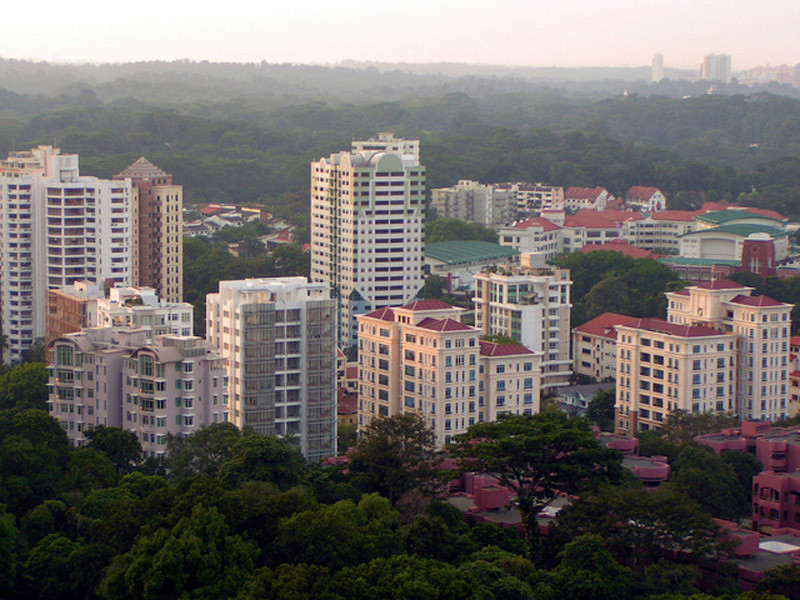
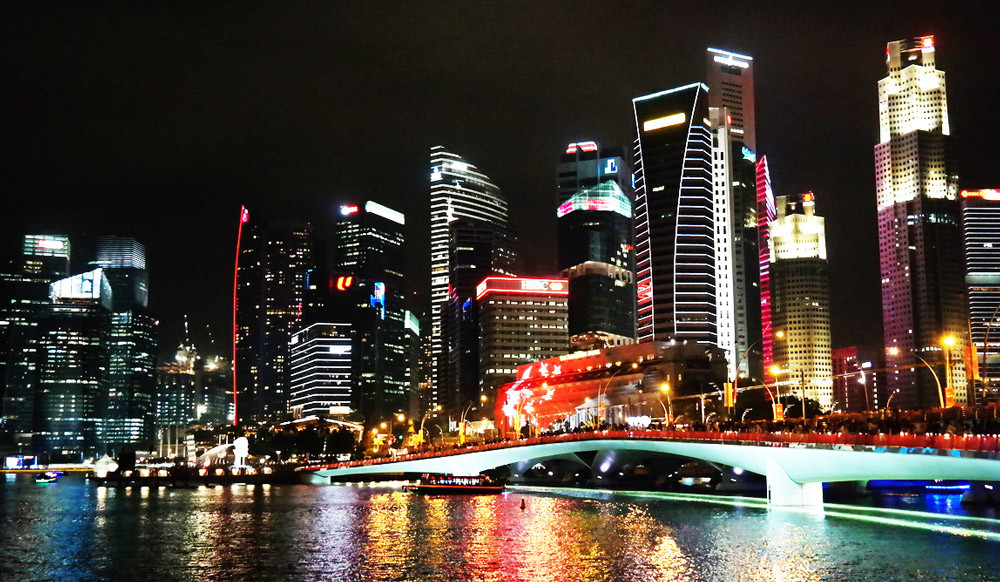
Though there are many challenges in real estate market of Singapore, there are some positive signs as well. According to DBS Group Research, there are some indications of rebound noted in the luxury residential and office sectors which can be a good sign for the property market.
It appeared like the streak of negative inflation was ending in Singapore. It took 2 years for the end to be in sight. In October 2016, the Consumer Prices Index (CPI) which is a measurement of the changes in the prices of goods and services purchased by consumers had shown 0.3 % drop. The CPI went flat in November and the negative inflation eventually ended last month in December 2016, paving way for a promising 2017.
Raffles Country Club to Become Site for KL-Singapore HSR
The Raffles Country Club (RCC) is the second club in Singapore to make way for the Kuala Lumpur-Singapore High-Speed Rail (HSR). In the future, it will also become a site for the Cross Island Line’s (CRL) western post.
Handing Over
The RCC began in 1988 and is considered to be of the oldest clubs in Singapore. However, the club will now be handed over to the Singapore Land Authority (SLA). The handing over is to take pace by July 31, 2018, which happens to be 10 years before the lease of the site expires.
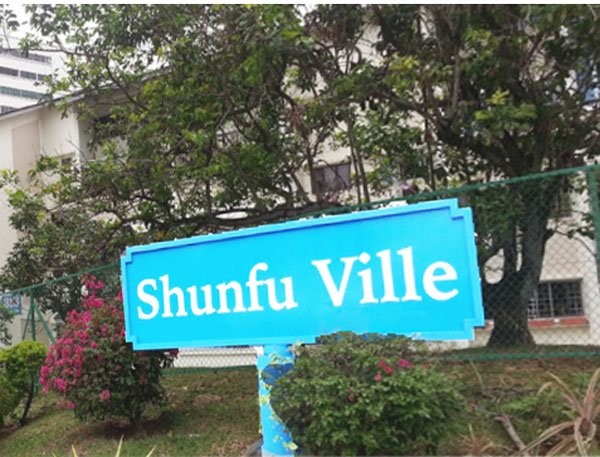
Collective Sale of Shunfu Ville Approved by High Court
Qingjian Realty, a property developer, finally saw a breakthrough in their quest as the High Court approved for them to by the Shunfu Ville estate as a collective purchase.
In the second of our articles on the wide variety of private housing available in Singapore, we explore the different types of landed property on the market today, detailing what makes them unique and the advantages and disadvantages of each.
Good Class Bungalows (GCB’s)
Regarded as the most prestigious properties on the island, like all landed property GCB’s are only available for sale to Singaporeans. Prices start at around $10 milion, but larger properties with additional facilities such as swimming pools, can and do go for more than treble that figure. The GCB market in Singapore is seen as a bell weather for the economy as a whole.
In order for a property to be labelled a GCB, it must be found in a designated GCB area.
In order for a property to be labelled a GCB, it needs to fulfil certain criteria. First of all, it must be located within a designated GCB area. It also must have a land area of at least 1,400sqm and can be no more than two storeys high (not including an attic and basement). Currently there are approximately 2,700 GCB’s, located in 39 GCB areas in Singapore.
Navigating the Singapore housing market can be tricky at the best of times. With industry specific jargon, numerous acronyms and an ever changing landscape – both figuratively and literally – it is sometimes hard to know where to begin. In this, the first of two articles, we hold your hand and take you through the different kinds of private properties that are available, highlighting the differences and pros and cons between them all.
Why Singapore is one of the Costliest Cities for Expats?
Singapore is currently ranked at position 16 among the costliest cities for expats, inching closer to Hong Kong which is at position 11. One would ask: what has led Singapore to such a position? There is one main reason for this: the appreciation of the Singaporean Dollar. The explanation is as given below:
Singapore – One of the Costliest Cities in the world
Strength of the Singaporean dollar
The Singaporean dollar has strengthened to the extent of pushing the country to two spots up from its previous position. Though the currencies are not changed to other currencies, this has not prevented the goods and services from going up. The inflation has remained at 1% but the cost of living in terms of the country’s dollar currency has risen as to make the cost of living to be high for the expats.
Not for the first time, a collective sale has hit a stumbling block, after a small number of residents of the Shunfu Ville estate raised objections and opposed the sale. Two subsequent mediation attempts failed to reach an agreement forcing the Strata Titles Board to order the collective-sale committee to halt proceedings, and the dispute is now headed for the high court.
The number of foreigners interested in Singapore’s private residential units has gone up. The demand could be attributed to the capital gains which are deemed to be long-term. China leads in the foreign country’s quest for housing in Singapore.
The Surging Trend Of Building Ever Smaller Homes By Hong Kong Developers: Buyers, Take Heed!
Hong Kong developers were known for building larger flats in the past, but right now, they’re rushing to building ever tinier homes. There is an old-age saying that “small is beautiful”, which suggests the reason why some people choose smaller homes; but in the case of these Hong Kong developers who have now adopted the idea of building ever smaller apartments, this saying could be rephrased by investors as “small is ugly”.
If the analysts’ prediction for the next half year is anything to go by, a housing boom could be seen with new housing sites being released next year. There are two main factors which have contributed to the surge in the demand for housing.
The price of owning a property in China has increased rapidly in the recent months. In September this year, the price of an average property increased to about 11% in the major cities in China. This was according to National Bureau of Statistics in China. Meanwhile, in the province of China in Hefei the capital of Anhi, the price of property increased to about 47% and same was the case in Beijing which increased to 28%.
ABSD is levied on developers if they did not sell all their units within the first five years from purchasing the residential land
Developers hold firm despite fast-approaching ABSD deadline
It is a crisis time for property developers as they face a strict deadline of completing and selling all their units at their residential projects that is due by next year. Developers who failed to sell all their apartment units within the first 5 years of purchasing the residential plot will be charged with Additional Buyer Stamp Duty (ABSD).
The recent developments in economic systems will see owners of public housing paying lower property tax and all private residential home owners will have much lower or no charge to their bills starting next year. This is the latest news from IRAS (Inland Revenue Authority of Singapore).
Depending on who you speak to, or which articles you read, there are differing opinions on the state of the housing market in Singapore, specifically in terms of whether there is a housing shortage or if in fact we have a glut. So both arguments can’t be right, or can they? Here we examine both sides of the story.